

Printing Equipment & instruments trading
Includes reselling machines for different printing processes and techniques and on a variety of materials, such as letterpress, photogravure, offset lithography printing, engraving and intaglio, textile screen Printing, hand printing sets, 3D printers, such firms are allowed to carry out the installation, repair and maintenance services for the equipment they deal in
Our Product and Services


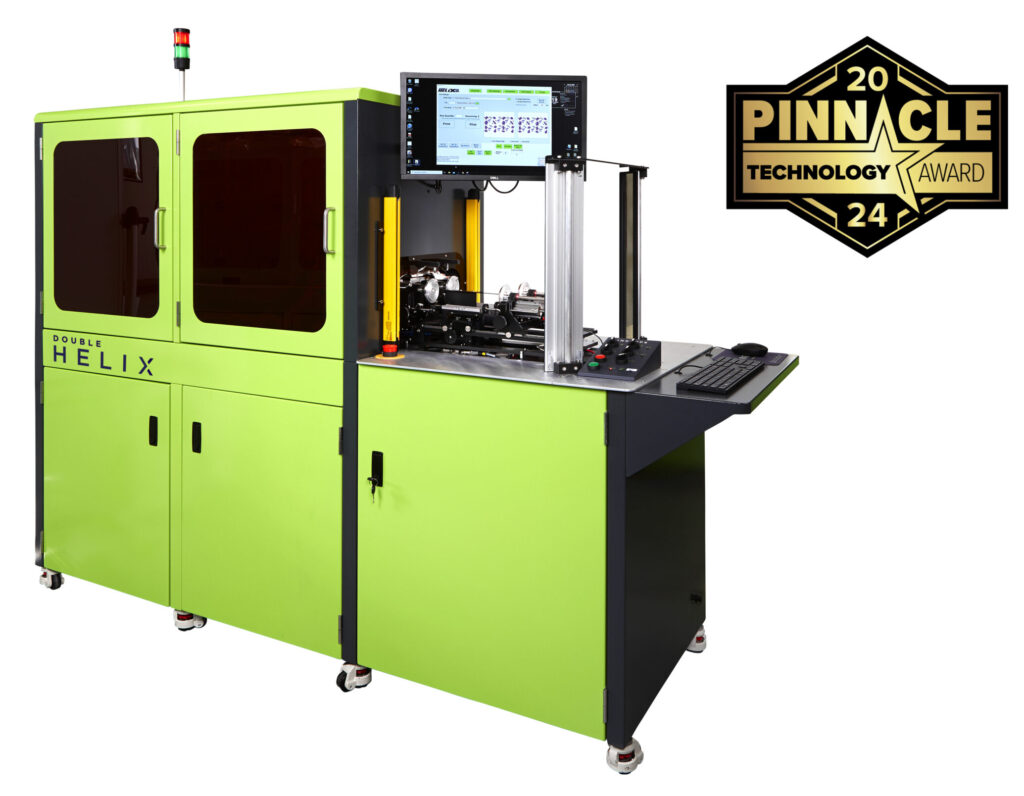
Cylindrical Inkjet Printers
Cylindrical inkjet printers are specialized printing devices designed to print high-quality images and text on cylindrical objects, such as bottles and cans, using advanced inkjet technology.
Cylindrical inkjet printers are specialized devices designed to print high-quality images and text directly onto cylindrical objects, such as bottles, cans, and tubes. Their primary purpose is to provide efficient and accurate labeling and branding solutions for various industries, including food and beverage, cosmetics, and pharmaceuticals. By using advanced inkjet technology, these printers ensure vibrant colors and sharp details, enhancing product visibility and appeal on store shelves.
One of the key benefits of cylindrical inkjet printers is their versatility; they can handle a wide range of materials and sizes, allowing manufacturers to customize their printing processes based on specific product requirements. Additionally, these printers enable quick setup and changeover times, making them ideal for short production runs and frequent design updates. Furthermore, the use of digital inkjet technology minimizes waste, as it eliminates the need for printing plates and reduces excess ink usage. Overall, cylindrical inkjet printers streamline the production process, improve product aesthetics, and enhance brand recognition in a competitive market.
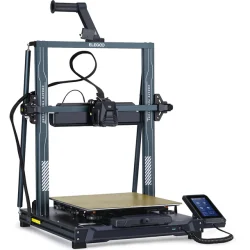
3D Printers
A 3D printer is a cutting-edge device that creates three-dimensional objects by layering materials based on digital models, revolutionizing manufacturing, prototyping, and creative design.
A 3D printer is a transformative technology that allows users to create three-dimensional objects by layering materials according to digital designs. Its primary purpose is to facilitate rapid prototyping, enabling designers and engineers to quickly turn concepts into tangible products, which significantly accelerates the development process. This capability is invaluable across various industries, including aerospace, automotive, healthcare, and consumer goods.
One of the key benefits of 3D printing is its ability to produce complex geometries that would be difficult or impossible to achieve with traditional manufacturing methods. This not only enhances design flexibility but also reduces material waste, as 3D printing typically uses only the necessary amount of material for each object. Additionally, 3D printers can produce customized items tailored to individual needs, making them ideal for applications like medical implants, personalized consumer products, and bespoke parts. Overall, 3D printing empowers innovation, increases efficiency, and allows for greater customization, making it an essential tool in modern manufacturing and design.
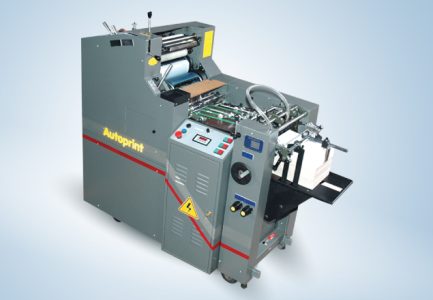
OffSet Printers
An offset printer is a high-quality printing machine that uses a rotary press and a transfer process to produce sharp images and text on various surfaces, making it ideal for large-scale print runs.
Offset printing is a highly efficient and versatile method used in commercial printing, designed to meet the demands of various industries. Its primary purpose is to produce large quantities of printed materials with exceptional clarity and detail, making it ideal for items such as brochures, catalogs, newspapers, and packaging.
One of the significant benefits of offset printing is its ability to achieve consistent color accuracy across extensive print runs. This consistency is crucial for maintaining brand identity, as businesses rely on their printed materials to convey a professional image. Additionally, offset printers can handle a wide range of substrates, including coated, uncoated, and specialty papers, allowing for creative flexibility in design.
Moreover, the offset printing process is highly cost-effective for large orders. Once the initial setup is complete, the cost per unit decreases significantly, making it a preferred choice for high-volume projects. The speed at which offset printers operate also contributes to their popularity, enabling quick turnaround times without sacrificing quality.
In summary, offset printing serves a vital role in the printing industry, offering high-quality results, cost efficiency, and adaptability. It remains a go-to solution for businesses looking to produce impactful printed materials that effectively communicate their message to customers.